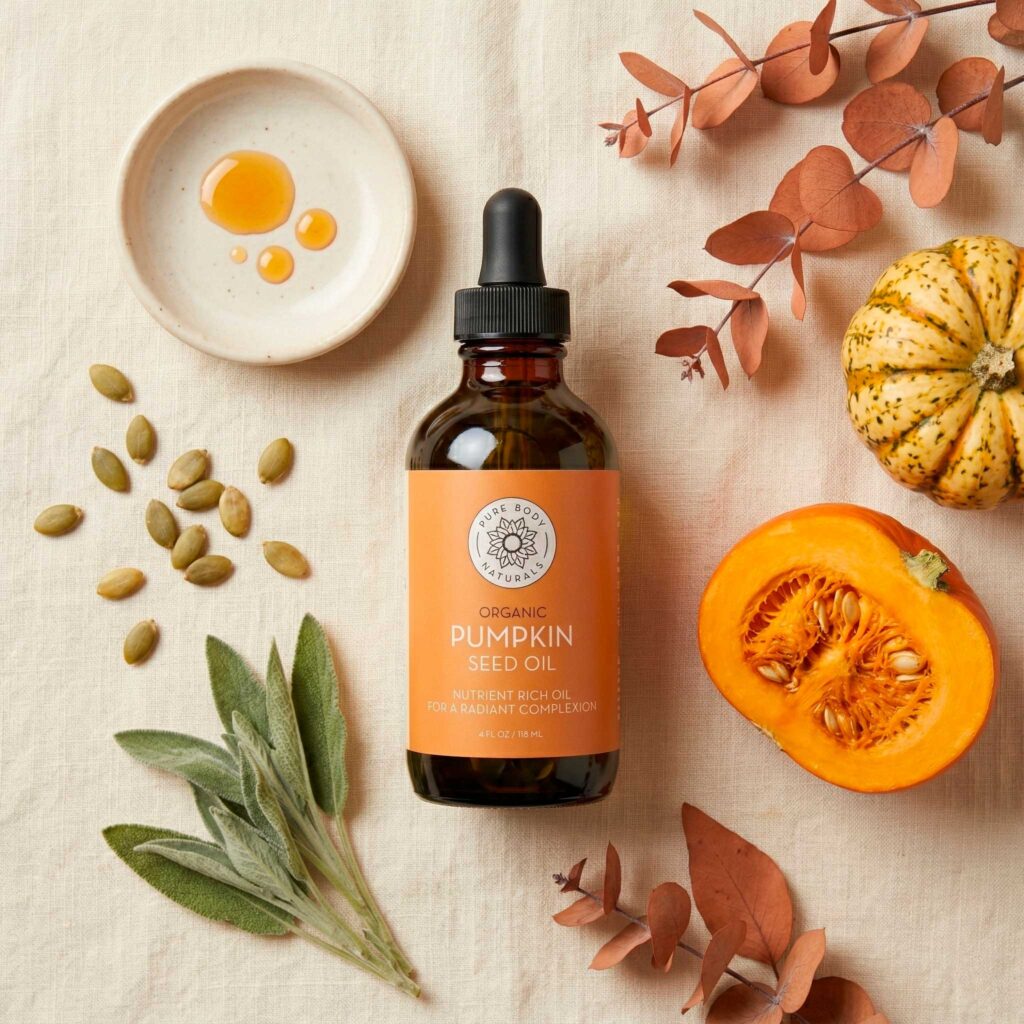
There is a reason pumpkin seed oil has been gaining serious traction in clean beauty circles, and it has nothing to do with trends. A single tablespoon of pumpkin seed oil contains omega-6 and omega-9 fatty acids, zinc, phytosterols, vitamins E and K, and antioxidant carotenoids — a nutritional profile that many multi-ingredient serums spend a lot of money trying to replicate. When you cold press pure pumpkin seeds without heat or chemical solvents, all of that nutritional complexity stays exactly where it belongs: locked inside the oil, intact and ready to work.
I want to be straightforward with you here. Not every oil earns a spot in a serious skincare or haircare routine. Most don’t. But organic cold pressed pumpkin seed oil is genuinely different in composition from the lightweight carrier oils that dominate the market. It carries a heavier, richer lipid profile that makes it particularly valuable for dry, stressed, or nutrient-depleted skin and hair — and that distinction matters a lot once you understand what your skin and scalp are actually asking for.
This article covers the science-backed benefits of organic cold pressed pumpkin seed oil across three areas: skin, hair, and scalp. Each one deserves its own focused attention because the oil works differently depending on where and how you apply it. Let’s get into it.
What Makes Cold Pressing So Important
Before getting into specific benefits, it’s worth taking a moment to talk about process — because how pumpkin seed oil is made determines almost everything about its quality. Cold pressing is a mechanical extraction method that uses pressure rather than heat to draw oil from the seed. No solvents. No high temperatures. No chemical processing. The entire extraction happens without generating the kind of heat that would degrade the fatty acids, destroy the vitamins, or break down the phytosterols naturally present in the seed.
The alternative — refined or heat-extracted oil — produces a cheaper, more shelf-stable product, but at a significant cost to nutritional integrity. Many of the compounds that make pumpkin seed oil genuinely useful for skin and hair simply don’t survive high-heat processing. What you get instead is a stripped-down version of the oil that may perform acceptably as a basic emollient but lacks the depth of benefit that cold pressed oil offers. This is not a minor distinction. It’s the entire difference between an oil that nourishes and one that just sits on the surface.
Organic certification adds another layer of confidence. When pumpkin seeds are grown without synthetic pesticides or herbicides, there is no risk of those residues ending up concentrated in the final oil. USDA Certified Organic pumpkin seed oil means the source material met strict standards from field to bottle, which matters especially when you’re applying something directly to your face or scalp day after day.
The Skin Benefits of Organic Pumpkin Seed Oil
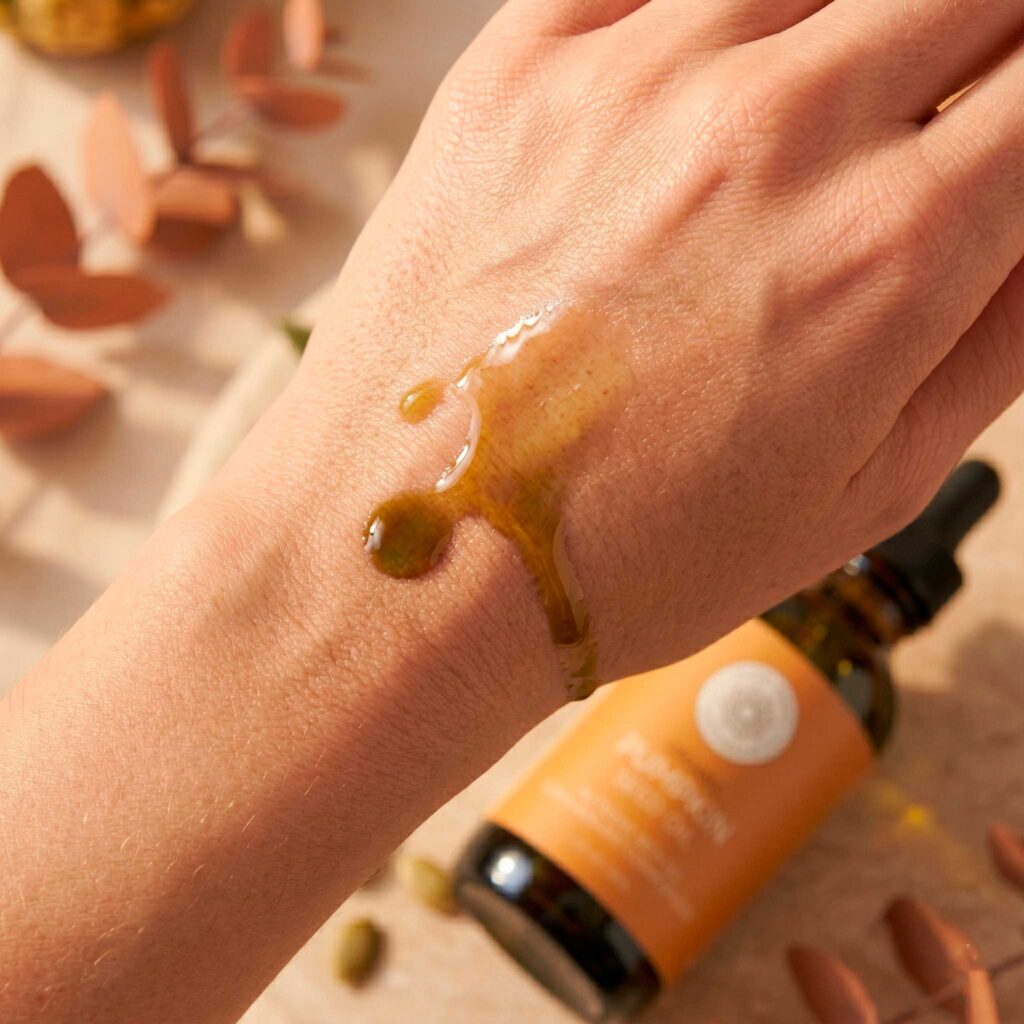
Dry and stressed skin is not simply skin that lacks water. In most cases, it’s skin that has a compromised lipid barrier — a breakdown in the fatty layer that normally keeps moisture locked in and environmental irritants locked out. Replenishing that barrier requires fatty acids, and pumpkin seed oil delivers them in substantial quantity. It is particularly rich in linoleic acid (omega-6), which research published in Molecules has identified as a key component of the skin’s natural ceramide structure. When the skin’s linoleic acid levels drop, the barrier becomes more permeable, and moisture loss accelerates. Applying a linoleic acid-rich oil like organic pumpkin seed oil helps support barrier function by providing the building blocks the skin needs to maintain and restore that lipid layer.
Beyond fatty acids, pumpkin seed oil contains phytosterols — plant-based compounds structurally similar to cholesterol, which is one of the skin’s natural barrier lipids. Phytosterols help reinforce the skin’s surface, supporting a smoother texture and more resilient feel. They also carry some antioxidant activity, which means they contribute to protecting the skin from environmental stressors that can accelerate visible aging. The effect is not dramatic in a single application, but with consistent use, the skin’s surface becomes noticeably more stable and better conditioned.
The vitamin E content in cold pressed pumpkin seed oil is also worth highlighting. Vitamin E is a fat-soluble antioxidant that supports the skin in neutralizing free radical activity — the kind of cellular damage caused by UV exposure, pollution, and oxidative stress. It works particularly well in an oil-based delivery system because it can absorb efficiently into the lipid layers of the skin. According to a review published in the Journal of Clinical and Aesthetic Dermatology, topically applied vitamin E has been shown to support skin softness and help improve the appearance of dry, rough skin texture over time (https://jcadonline.com). When combined with the carotenoids naturally present in pumpkin seed oil, vitamin E creates a meaningful antioxidant defense that goes well beyond what most single-ingredient oils can offer.
Zinc is another standout component. Naturally occurring in pumpkin seeds, zinc plays a well-documented role in supporting normal skin function. It is involved in the skin’s repair processes, and it helps regulate sebum production — which makes pumpkin seed oil interesting for combination skin users who might otherwise avoid richer oils out of concern for congestion. Zinc’s presence in the oil means it doesn’t just add moisture; it also supports the skin’s ability to manage itself more effectively.
How to Use Pumpkin Seed Oil on Your Face
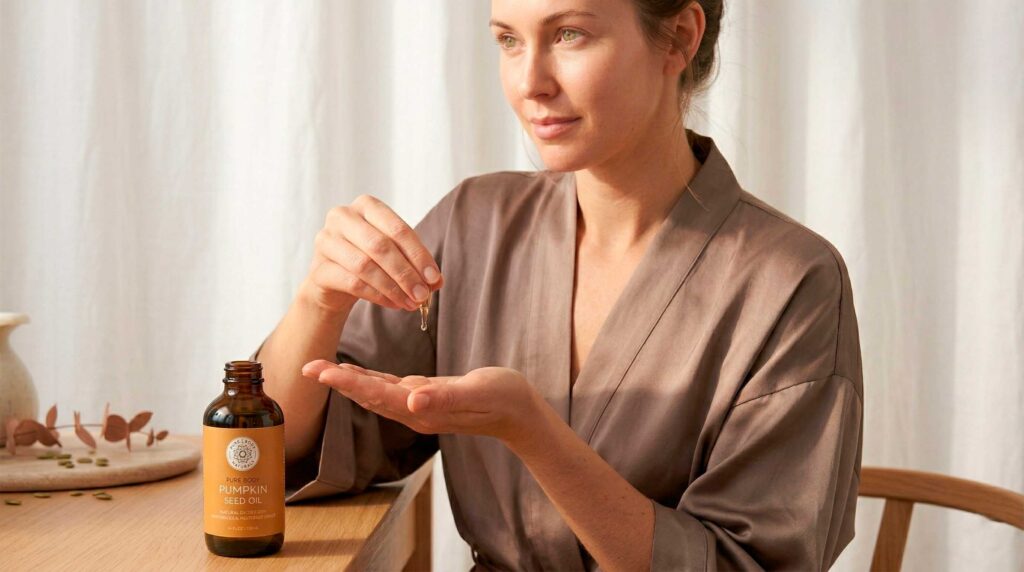
Using pumpkin seed oil as a facial oil is straightforward, but a few practical details make a real difference. Apply it to clean, dry skin rather than damp skin. Two to three drops is usually sufficient for the full face. Press and massage the oil in gently rather than rubbing — pressing encourages the oil to absorb into the skin rather than sitting on top of it. The texture is slightly heavier than light oils like fractionated coconut or grapeseed, so it works particularly well as a final step in an evening routine or as a dedicated treatment on especially dry days.
Because of its heavier lipid profile, pumpkin seed oil is an excellent choice for skin that feels depleted after weather exposure, air travel, or extended periods indoors with forced air heat or air conditioning. These environments strip moisture from the skin rapidly and leave it feeling tight and uncomfortable. A small amount of pumpkin seed oil applied consistently can help restore that conditioned, nourished feeling. For daytime use, applying it under a mineral sunscreen works well — the oil absorbs fully within a few minutes and does not create pilling or interference with sunscreen application.
The Hair Benefits of Organic Pumpkin Seed Oil
Hair that feels rough, dry, or difficult to manage is often hair that has lost a significant amount of surface lipid. The outermost layer of each strand — the cuticle — is made up of overlapping scales that lie flat when healthy and lift when the strand is dry, damaged, or exposed to alkaline products. When cuticle scales lift, the strand feels rough to the touch, loses its shine, and becomes more prone to breakage. Applying an oil rich in fatty acids helps re-coat the surface of the strand, encouraging the cuticle to lie flat and restoring a smoother, shinier appearance.
Pumpkin seed oil’s fatty acid composition is well suited to this task. The combination of linoleic and oleic acids gives the oil a lipid profile that works well as a surface conditioner for the hair shaft. Unlike some heavier oils that can feel greasy or weigh hair down, pumpkin seed oil strikes a reasonable balance — substantial enough to provide real conditioning, but not so heavy that it leaves hair looking or feeling coated. This makes it particularly useful for medium to thick hair types, as well as curly and coily textures that tend toward dryness due to the difficulty of sebum traveling down the length of the curl.
The antioxidant content of pumpkin seed oil — specifically the vitamin E and carotenoids — also offers some meaningful protection to the hair fiber itself. Heat styling, UV exposure, and chemical treatments all generate oxidative stress along the hair shaft, which progressively weakens the protein structure of the strand. Regular oil application provides a layer of lipid that helps reduce the impact of some of these stressors. It does not replace a quality heat protectant, but it adds a supplementary protective element that keeps the strand in better condition over time.
How to Use Pumpkin Seed Oil on Hair
The most effective way to use pumpkin seed oil on hair is as a conditioning treatment rather than a finishing oil. Warm several drops between your palms and massage the oil into the scalp first, then work it down through the mid-lengths to the ends. Leave it on for at least 20 to 30 minutes before washing out or use it as an overnight treatment for deeper conditioning. Applied this way, the oil has time to penetrate and coat the hair shaft properly rather than just sitting on the surface. For a quick mid-week refresh on dry ends, one or two drops worked through the ends of dry hair can also help smooth frizziness and add a small amount of shine without weighing the hair down.
The Scalp Benefits of Organic Pumpkin Seed Oil
The scalp is skin. It responds to the same principles of barrier function, hydration, and nutrient availability that govern the rest of the body’s skin — and it is subject to many of the same stressors. A dry, irritated scalp is one that has lost lipid balance, and the cycle of dryness tends to feed on itself: the more the scalp dries out, the more it flakes and feels uncomfortable, which often leads people to shampoo more frequently, which strips away more of the natural oils, which makes the dryness worse. Breaking that cycle requires restoring lipid balance from the outside while the scalp’s own sebaceous glands have a chance to normalize.
Pumpkin seed oil is particularly well suited to scalp application because of its zinc and phytosterol content. Zinc is directly involved in regulating sebum production at the follicle level, which means that regular pumpkin seed oil scalp massage can help support a more balanced oil environment — not just adding lipid to the surface, but helping the scalp manage its own production more effectively. Phytosterols complement this by supporting the skin barrier at the scalp level, reducing the permeability that allows moisture to escape and irritants to penetrate. A 2019 study published in the International Journal of Environmental Research and Public Health noted that plant sterols demonstrate meaningful activity in supporting skin barrier integrity, which has direct implications for scalp health (https://www.mdpi.com/1660-4601/16/7/1267).
The carotenoids in pumpkin seed oil — which give it its characteristic deep amber-green color — also contribute to scalp health through their antioxidant properties. The scalp is exposed to UV light whenever we’re outdoors without head coverage, and chronic UV exposure contributes to oxidative stress in the follicle environment over time. Antioxidant-rich oils applied through regular scalp massage provide a supplementary layer of protection that supports follicle health and a healthier scalp environment overall.
How to Use Pumpkin Seed Oil on the Scalp
Scalp application works best as a weekly ritual rather than a daily habit. Warm several drops of the oil between your palms and use your fingertips to massage it into the scalp in small circular motions. Spend at least two to three minutes massaging thoroughly — the massage itself improves circulation in the scalp, which supports the delivery of nutrients to the follicle. Leave the oil on for at least 30 minutes before shampooing or sleep with it overnight under a hair wrap for maximum absorption. A small amount goes a long way, so there’s no need to saturate the scalp. Consistent weekly use over four to six weeks is typically when most people notice a meaningful improvement in scalp comfort, reduced flakiness, and improved hair texture from root to end.
Why the Organic Cold Pressed Standard Matters for All Three Uses
Whether you’re using pumpkin seed oil on your face, your hair, or your scalp, the quality of the oil directly determines the quality of the result. A cold pressed, USDA Certified Organic pumpkin seed oil retains the full spectrum of nutrients the seed naturally contains — the fatty acids, phytosterols, vitamins, zinc, and carotenoids that make this oil genuinely useful rather than just cosmetically appealing. Refined or solvent-extracted versions of the oil may carry the same name on the label, but the nutritional profile that drives real results is substantially different.
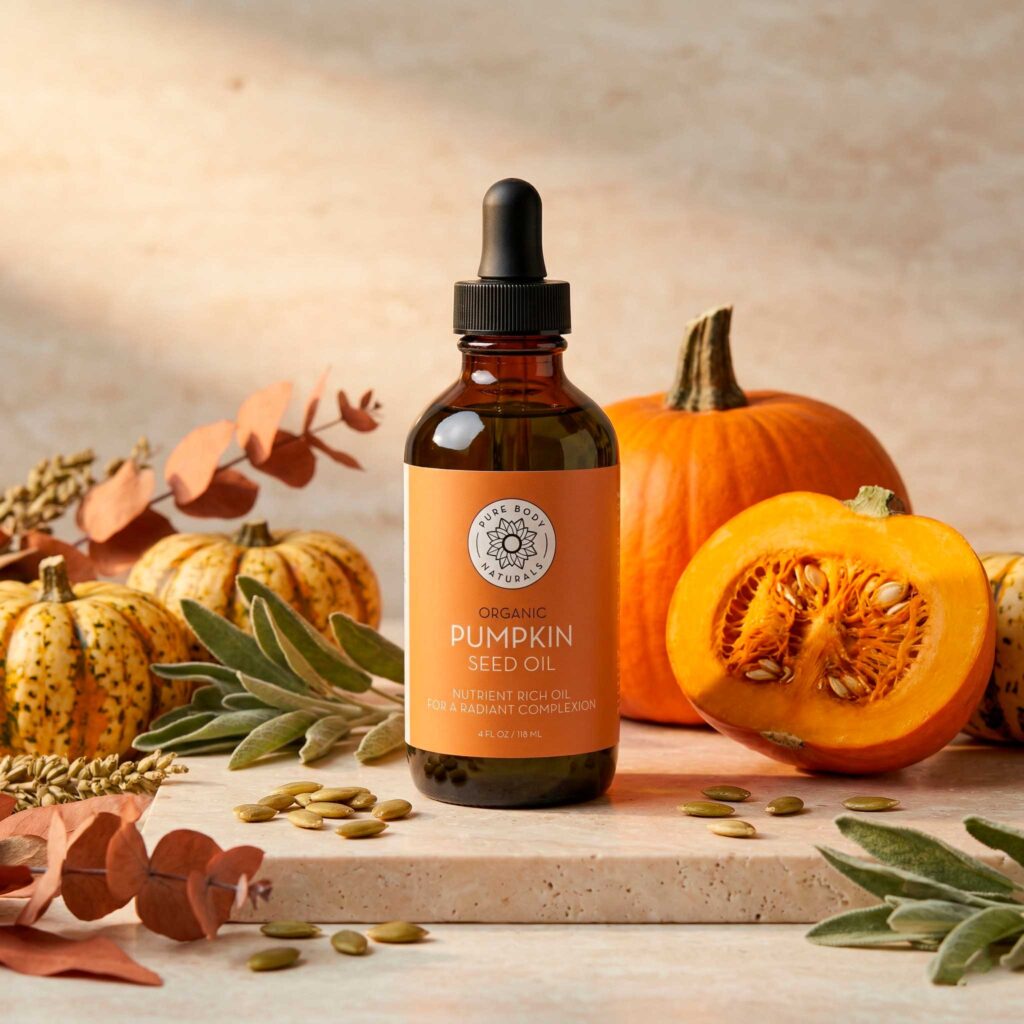
Pure Body Naturals Organic Pumpkin Seed Oil is cold pressed with no heat, no solvents, and no synthetic additives. It is vegan, cruelty-free, and USDA Certified Organic — a single-ingredient oil that works exactly as nature intended across all three uses. When the standard is this clear and the ingredient list this short, the only thing left to do is use it.
FAQs
Q: Is organic cold pressed pumpkin seed oil safe for all skin types?
A: It works well for most skin types, including dry, normal, and combination skin. Its zinc content helps regulate sebum production at the follicle level, which also makes it a reasonable option for oily or acne-prone skin. If you have very sensitive or reactive skin, patch test on the inner arm for 24 hours before applying to your face.
Q: Will pumpkin seed oil clog my pores?
A: Pumpkin seed oil has a comedogenic rating of 2 on a scale of 0 to 5, placing it in the low-to-moderate range. Its high linoleic acid content is associated with supporting a balanced sebum composition, which may actually help reduce congestion over time. Most people do not experience breakouts. Starting with a small amount and observing your skin’s response is always a smart approach.
Q: How often should I use pumpkin seed oil on my face?
A: Daily use is appropriate for most people, particularly as part of an evening routine. Apply 2 to 3 drops to clean, dry skin and press gently into the skin rather than rubbing. For daytime use, it can be applied under sunscreen without interfering with protection.
Q: Can I use pumpkin seed oil on my scalp if I have a dry or flaky scalp?
A: Yes. The zinc and phytosterol content make it well suited to supporting a dry or unbalanced scalp environment. Massage several drops into the scalp and leave it on for at least 30 minutes before shampooing. Consistent weekly use is where most people notice meaningful improvement in scalp comfort and reduced flakiness.
Q: How do I use pumpkin seed oil as a hair treatment?
A: Warm a few drops between your palms and massage into the scalp first, then work the oil through the mid-lengths and ends of your hair. Leave it on for 20 to 30 minutes — or overnight for a deeper treatment — then shampoo out. Once a week is typically sufficient for most hair types.
Q: What is the difference between cold pressed and refined pumpkin seed oil?
A: Cold pressing uses mechanical pressure without heat or solvents to extract oil from the seed, preserving the full spectrum of fatty acids, vitamins, phytosterols, zinc, and carotenoids. Refined pumpkin seed oil uses heat and often chemical solvents, which degrades many of those beneficial compounds. For skin, hair, and scalp use, cold pressed is the superior choice because the nutritional profile remains intact.
Q: Does Pure Body Naturals Pumpkin Seed Oil contain any additives or preservatives?
A: No. Pure Body Naturals Organic Pumpkin Seed Oil is a single-ingredient product — 100% cold pressed pumpkin seed oil with no fillers, synthetic additives, or preservatives. It is USDA Certified Organic, vegan, and cruelty-free.
Q: How should I store pumpkin seed oil to keep it fresh?
A: Store it in a cool, dark place away from direct sunlight and heat. A cabinet or drawer away from your stove or bathroom window works well. Properly stored, cold pressed pumpkin seed oil typically has a shelf life of 12 to 18 months. If the oil develops an off or rancid smell, it has oxidized and should be replaced.
References
- Bardaa, S., Ben Halima, N., Aloui, F., et al. (2016). Oil from pumpkin (Cucurbita pepo L.) seeds: Evaluation of its functional properties on wound healing in rats. Lipids in Health and Disease, 15, 73. https://pmc.ncbi.nlm.nih.gov/articles/PMC4827242/
- Cho, Y. H., Lee, S. Y., Jeong, D. W., et al. (2014). Effect of pumpkin seed oil on hair growth in men with androgenetic alopecia: A randomized, double-blind, placebo-controlled trial. Evidence-Based Complementary and Alternative Medicine, 2014, 549721. https://pmc.ncbi.nlm.nih.gov/articles/PMC4017725/
- Ibrahim, H. M., Salem, A. S., & Elsaie, M. L. (2021). Pumpkin seed oil vs. minoxidil 5% topical foam for the treatment of female pattern hair loss: A randomized comparative trial. Journal of Cosmetic Dermatology, 20(5), 1520–1526. https://pubmed.ncbi.nlm.nih.gov/33544448/
- Liang, Z., et al. (2025). The role of linoleic acid in skin and hair health: A review. Nutrients, 17(1). https://pmc.ncbi.nlm.nih.gov/articles/PMC11719646/
- Murad, S., et al. (2021). Pumpkin seed oil: An alternative medicine. PMC / National Institutes of Health. https://pmc.ncbi.nlm.nih.gov/articles/PMC8681145/
- Pazyar, N., et al. (2018). Anti-inflammatory and skin barrier repair effects of topical application of some plant oils. International Journal of Molecular Sciences, 19(1), 70. https://pmc.ncbi.nlm.nih.gov/articles/PMC5796020/
- Tantayanon, P., et al. (2021). Pumpkin seed oil-loaded niosomes for topical application: 5α-reductase inhibitory, anti-inflammatory, and in vivo anti-hair loss effects. Pharmaceutics, 14(9), 1793. https://pmc.ncbi.nlm.nih.gov/articles/PMC9412580/
