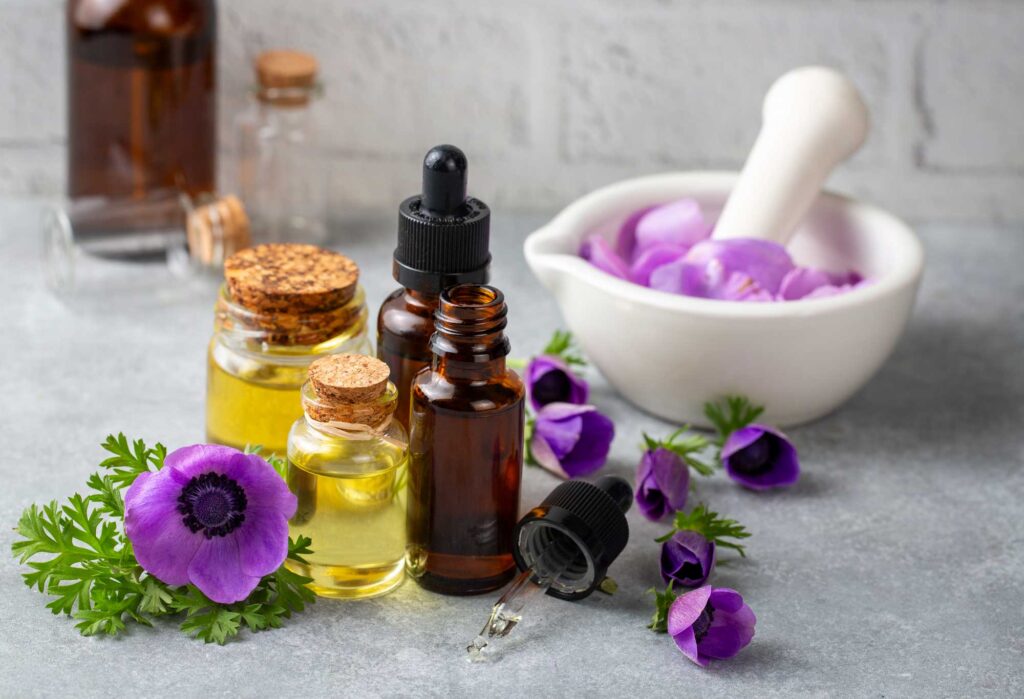
Aromatherapy sits at the crossroads of scent and sensation. It relies on volatile plant oils extracted from leaves, flowers, bark, roots, seeds, or peels. These oils hold concentrated aromatic compounds. When inhaled or applied with care, they interact with the body in subtle but noticeable ways. This guide exists for beginners who feel curious yet cautious. You do not need shelves full of bottles or deep technical knowledge. You need a solid base, clear expectations, and respect for how potent these oils truly are.
What essential oils are and what they are not
Essential oils come from plants, but they are not simple plant extracts. Steam distillation or cold pressing separates aromatic molecules from plant matter. It takes a large amount of raw material to produce a small amount of oil. One pound of lavender oil can require over one hundred pounds of flowering tops. Rose oil demands far more. This concentration explains both their appeal and their risks.
These oils differ from fragrance oils, which are lab-created scent blends. Fragrance oils smell pleasant but lack the complex chemical makeup found in true plant oils. Essential oils also differ from carrier oils like jojoba, sweet almond, or sunflower oil. Carrier oils contain fatty acids and act as bases for dilution. They do not evaporate or release aroma in the same way.
People often assume natural equals gentle. Essential oils challenge that idea. They are powerful. A single drop contains dozens of active compounds. Used properly, they support wellness habits. Used carelessly, they irritate skin or overwhelm the senses.
How aromatherapy works in the body
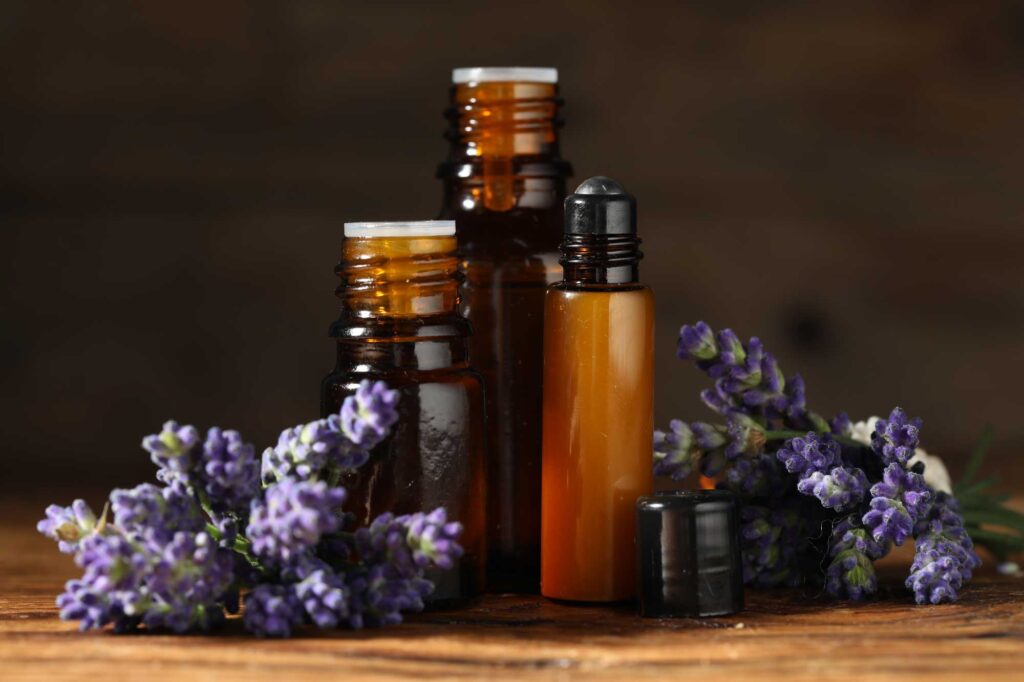
Scent moves fast. When you inhale an essential oil, aromatic molecules travel through the nose to the olfactory bulb. This area connects directly to the limbic system, which governs emotion, memory, and stress response. That direct route explains why scent triggers memories faster than sight or sound. One inhale of eucalyptus might feel clearing. A hint of lavender often feels calming. Citrus tends to feel bright and energizing.
Topical use works differently. When diluted oils contact skin, compounds absorb through the outer layers and interact locally or enter circulation in small amounts. Massage amplifies this effect by increasing blood flow and relaxation. In both cases, aromatherapy supports rather than replaces medical care. It fits best as part of daily rituals, stress management, or comfort-focused routines.
Research continues to explore how aromatherapy affects mood, sleep, and perceived stress. A review published in Frontiers in Psychology reported that inhaled essential oils showed measurable effects on anxiety levels in multiple clinical settings. This type of data explains why aromatherapy shows up in hospitals, spas, and wellness clinics.
Choosing essential oils when starting out
Beginners often feel tempted to buy large starter kits. That approach sounds efficient, but it often leads to unused bottles. A better path starts small. Choose oils based on how you want to feel. Calm. Focused. Clear-headed. Grounded. Energized.
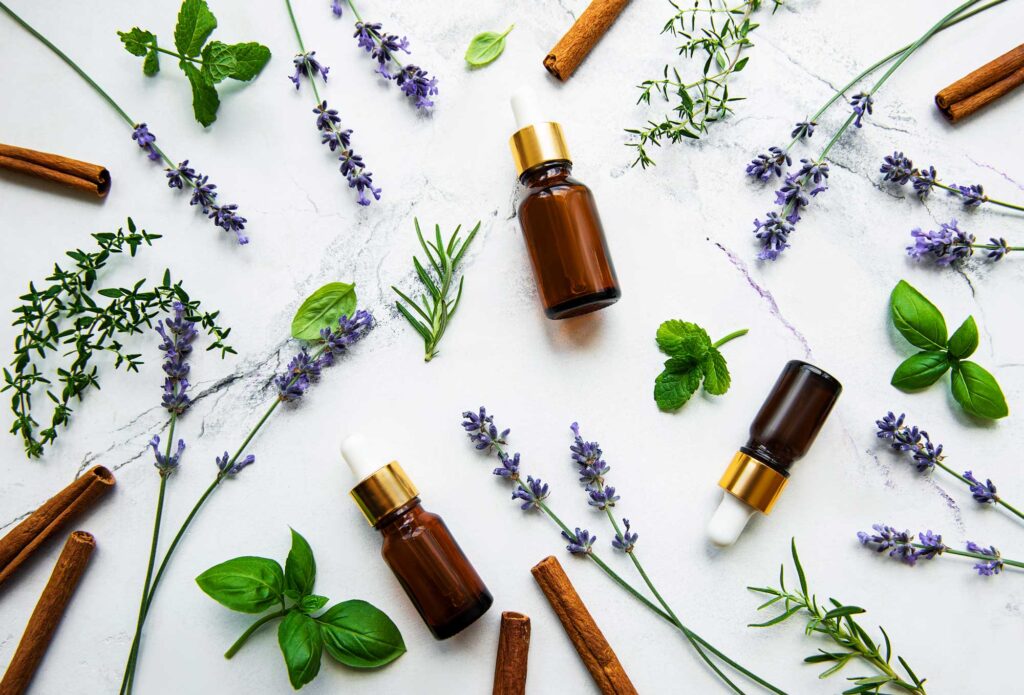
Lavender often earns its reputation as a starter oil. Its aroma feels familiar and gentle. Many people use it in evening routines, on pillows, or in bath rituals. Peppermint brings sharp clarity. It feels cooling and alerting. Eucalyptus opens the senses and pairs well with steam or shower use. Sweet orange and lemon offer bright, clean notes that lift mood and freshen spaces.
Quality matters. Look for oils labeled with the plant’s Latin name, extraction method, and country of origin. Dark glass bottles protect oils from light degradation. Extremely cheap oils raise questions. Producing real essential oils costs time, labor, and raw materials.
Understanding safety from the start
Safety deserves attention early, not after irritation occurs. Essential oils should not go directly on skin without dilution. Carrier oils reduce potency and improve spread. A typical beginner dilution for body use sits around one percent. That equals roughly one drop of essential oil per teaspoon of carrier oil.
Certain oils raise extra caution. Citrus oils increase sun sensitivity when applied topically. Cinnamon, clove, and oregano feel warming and can irritate skin easily. Peppermint feels cooling but can overwhelm sensitive areas like the face. Children, pregnant individuals, and pets require additional care, since their systems react differently.
Diffusion also benefits from moderation. A few drops in water fill a room. More does not equal better. Overexposure causes headaches or nausea for some people. Short sessions work best, especially in shared spaces.
Essential oils support wellness routines, but they do not diagnose or treat disease. Respecting limits keeps aromatherapy enjoyable rather than stressful.
Ways to use essential oils at home
Aromatherapy fits easily into daily life when it feels simple. Diffusers remain popular because they require minimal effort. Add water, a few drops of oil, and enjoy gentle scent diffusion. Ultrasonic diffusers also add humidity, which helps during dry seasons.
Inhalation without a diffuser works too. A drop on a tissue, cotton pad, or ceramic inhaler provides portable aroma. Steam inhalation pairs well with eucalyptus or peppermint. Hot water releases aroma quickly. Lean back, breathe deeply, and keep eyes closed.
Topical use often feels most grounding. Massage blends support relaxation rituals. A drop of diluted lavender on pulse points or feet fits well into nighttime routines. Bath use requires extra care. Oils do not mix with water on their own. Always blend with a dispersant like a carrier oil or unscented bath base before adding to bathwater.
Blending basics for beginners
Blending oils feels creative and personal. Scents interact in layered ways. Most blends include top, middle, and base notes. Citrus oils act as top notes. They smell bright but fade fast. Florals and herbs often serve as middle notes. Woods and resins anchor blends as base notes.
Start with simple combinations. Lavender and sweet orange feel soft and balanced. Peppermint and lemon feel sharp and clean. Eucalyptus and rosemary create spa-like freshness. Keep blends small at first. Two or three oils teach your nose more than complex mixes. Record what you create. Write down drop counts and impressions. Scent memory fades faster than expected. Notes help recreate blends you love and avoid repeats you do not.
Aromatherapy and emotional well-being
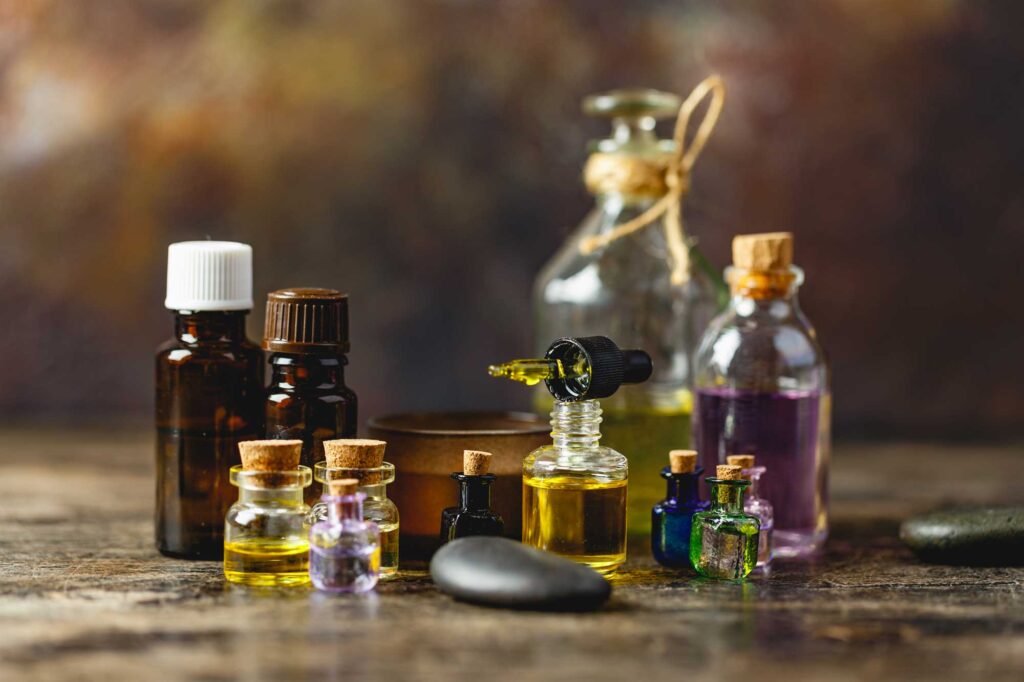
One reason aromatherapy resonates with so many people involves emotion. Scent bypasses logic and speaks directly to feeling. Stress often lives in the body before it shows in thought. Aromatic rituals slow breathing, signal safety, and create pause.
Lavender and chamomile often appear in calming blends. Bergamot sits between citrus brightness and floral softness. Frankincense carries depth and stillness. These oils do not erase stress, but they soften its edges. They pair well with breathing exercises, journaling, or quiet time.
Morning routines benefit from different scents. Citrus, peppermint, and rosemary feel alerting. They support focus without caffeine. Many people diffuse energizing blends while getting ready or during work blocks. Aromatherapy thrives when tied to habit. Consistency matters more than intensity.
Essential oils and skin contact realities
Skin reacts differently from person to person. Patch testing protects against surprises. Apply diluted oil to a small area and wait twenty-four hours. Redness, itching, or discomfort signal a mismatch.
Facial skin requires extra caution. Oils like tea tree and lavender appear in skincare, but they remain highly concentrated. Low dilution rates matter. Avoid eye area contact. Hands should stay clean after application. Some oils smell wonderful but feel wrong on skin. Trust feedback. Aromatherapy should feel supportive, not challenging.
Storage and shelf life
Essential oils change over time. Heat, light, and oxygen degrade aromatic compounds. Store bottles tightly closed, away from sunlight, in cool spaces. Citrus oils oxidize faster than woods or resins. Oxidized oils increase irritation risk.
Most oils last one to three years. Citrus oils often sit at the shorter end. Thick oils like patchouli or sandalwood last longer. If an oil smells sharp, sour, or unpleasant compared to when first opened, retire it. Label bottles with purchase dates. This small habit prevents guesswork later.
Aromatherapy myths worth clearing up
Marketing often blurs reality. Essential oils do not cure illness. They do not replace medication. They do not work instantly for everyone. Aromatherapy functions best as a supportive practice that complements healthy routines.
More drops do not increase benefit. Strong scent overwhelms rather than helps. Expensive oils do not always outperform well-sourced affordable ones. Natural does not mean risk-free. Clarity builds confidence. Knowing limits allows enjoyment without anxiety.
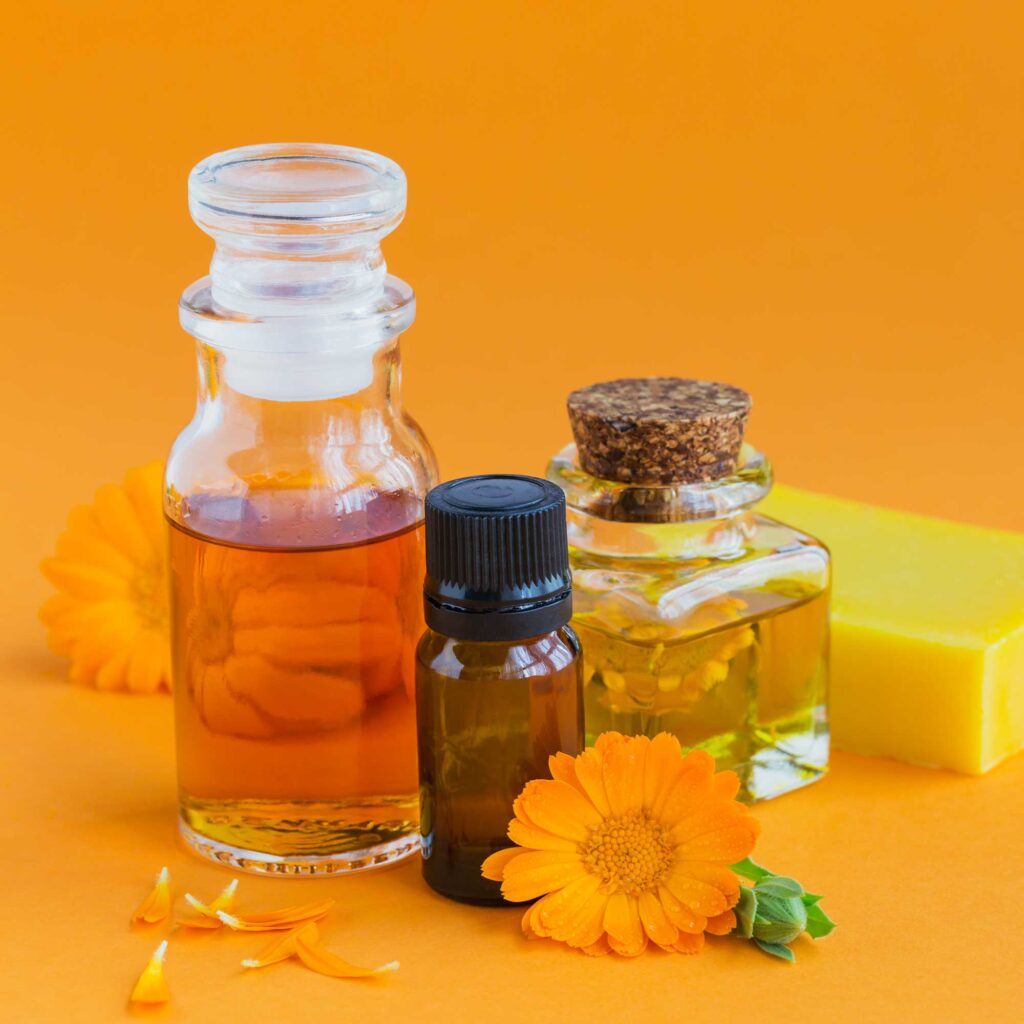
How to build a simple starter routine
Beginners thrive with structure. Choose one calming oil and one energizing oil. Use the calming oil at night through diffusion or diluted topical use. Use the energizing oil in the morning or mid-day. Observe how your body responds over a week or two.
Add one new oil at a time. This approach builds scent awareness and avoids overload. Aromatherapy rewards patience. Small rituals done often matter more than elaborate routines done rarely.
Aromatherapy continues to evolve. Research expands. Extraction methods improve. Quality standards rise. Yet the heart stays the same. Plants, scent, breath, and pause.
FAQs
People often ask how many essential oils they need to start?
Two or three oils cover most basic needs. More can wait until experience grows.
Another common question involves daily use?
Yes, oils can fit into daily routines when used gently and with breaks. Rotating oils prevents scent fatigue.
Many wonder about mixing brands?
Quality matters more than brand matching. Focus on sourcing transparency rather than labels.
Aromatherapy invites curiosity?
It rewards listening. Start slow, breathe deeply, and let scent guide awareness rather than expectation.
